
Research
The agricultural practices have caused an environmental imbalance by expanding and modifying the ecological niche of certain species, especially invertebrates, which some of them are now considered as pests. The main objectives of our group are the sustainability of current technologies for their control, as well as the development of novel methods lowering the impact on human health and the environment. We are running several research projects to help designing a better and safer control of economically important pests.
We are developing new biopesticides based on the entomopathogenic bacterium Bacillus thuringiensis and also on several families of virus that show high specificity against certain pest species. These are the cornerstone of many Biological Control programs and they can be easily integrated with other control measures in an IPM context. We are also investigating the molecular mechanisms underpinning the interaction of pests with their pathogens and the evolution of resistance to pesticides. It is very important to elucidate the keys for this dynamic process to design strategies that prevent, or at least delay, this phenomenon that causes important losses in food production worldwide.
LINES OF RESEARCH
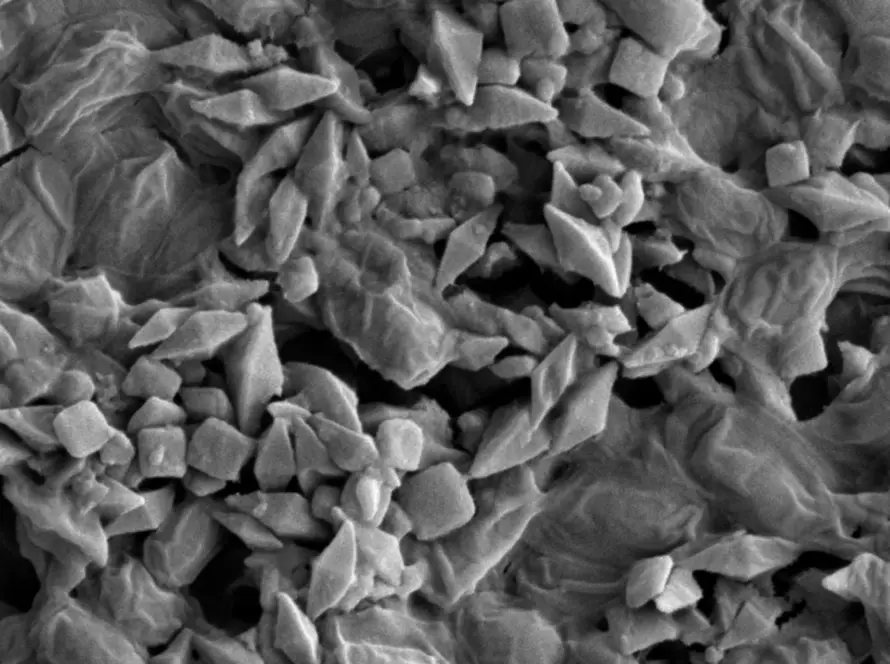
Discovery, engineering and development of novel strains and insecticidal proteins from B. thuringiensis for the control insect pests. Understanding of the mechanisms by which toxins work, and by which insects can develop resistance to them.

Discovery of Novel Entomopathogenic Nematodes with Outstanding Insecticidal Properties. Biotechnological Exploration of Photorhabdus and Xenorhabdus bacteria for the development of Next-Generation Bioinsecticides. Biotechnological Potential of Biocidal Secondary Metabolites from Photorhabdus and Xenorhabdus
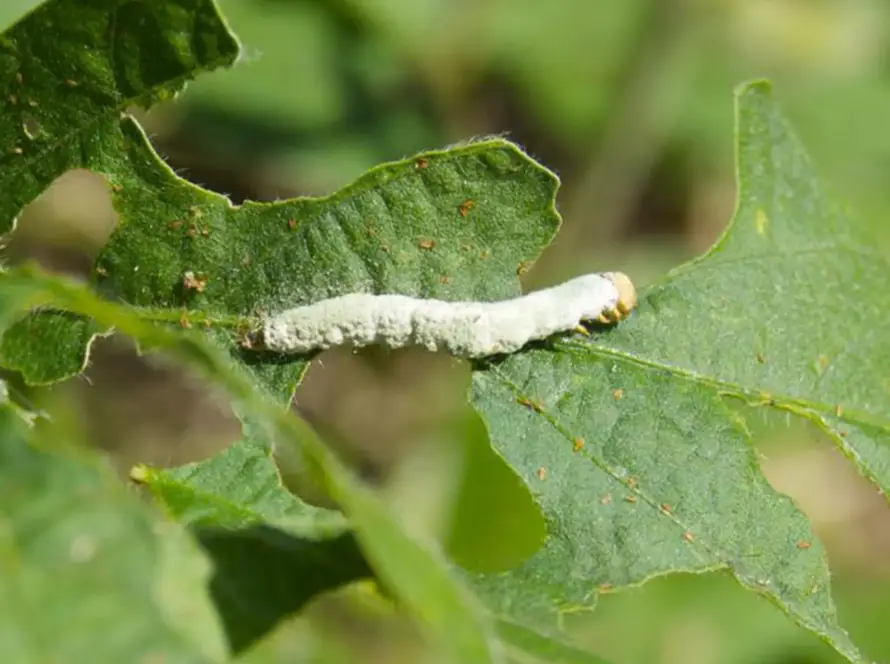
Entomopathogens are microorganisms that infect insects, including viruses, fungi, and bacteria. These pathogens can cause overt infections, leading to noticeable symptoms and potential population collapses, or covert infections, where individuals carry the pathogen without evident symptoms.
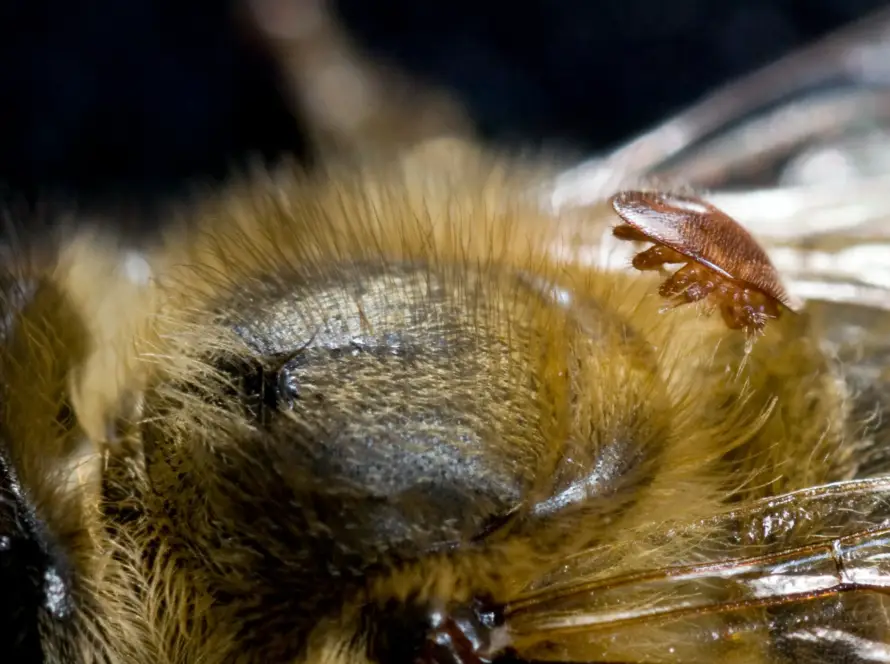
Arthropod pests continue to challenge global agriculture, causing significant crop losses through direct damage and as vectors of plant diseases. In the absence of effective control, yield reductions can exceed 20%, depending on the pest-crop system.

Research in our group is supported by: