
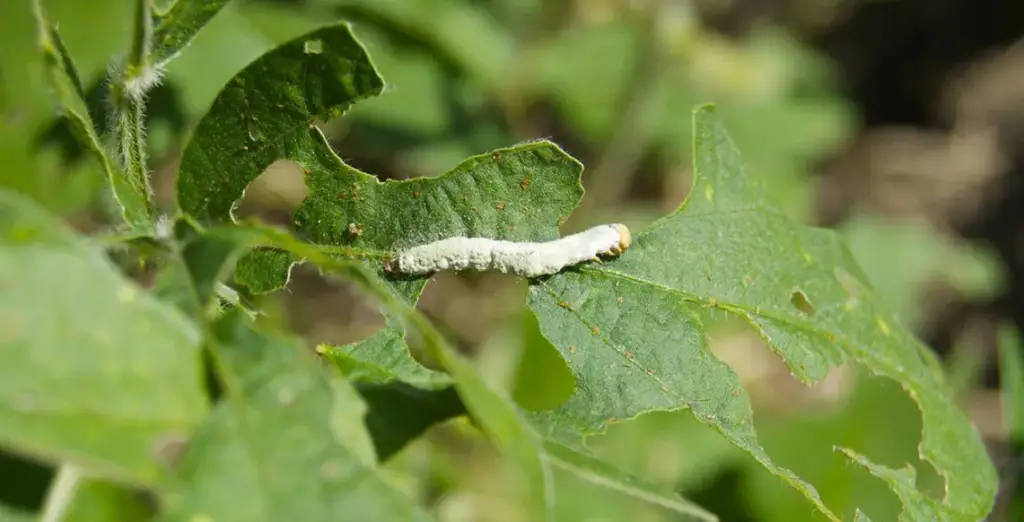
Entomopathogens and multitrophic interactions
Entomopathogens are microorganisms that infect insects, including viruses, fungi, and bacteria. These pathogens can cause overt infections, leading to noticeable symptoms and potential population collapses, or covert infections, where individuals carry the pathogen without evident symptoms. Traditionally, entomopathogens have been studied for their potential use as bioinsecticides. In recent years, there has been a growing interest in understanding their role in preserving industry-reared insect populations from microbial disease outbreaks, particularly in insects reared for food, feed, or as biocontrol agents.
However, the influence of entomopathogens goes beyond direct mortality. Their actions often trigger cascading ecological effects involving plants, herbivores, and natural enemies. Both overt and covert infections can alter insect behaviour, impact plant response to herbivory (directly or indirectly), and reshape community structures and predator-prey dynamics. As such, entomopathogens are dynamic players in ecological networks, influencing biodiversity and ecosystem resilience. In return, multitrophic interactions can modulate the relationship between insects and their pathogens. The infection status is the result of a continuous evolutionary arms race between the host, which is constantly optimizing strategies to reduce the burden of infection, and the pathogen’s counteradaptations to overcome insect defenses. In nature, these interactions are never binary but are affected by external biotic and abiotic factors including the trophic networks in which both insect and pathogen are embedded.
Our research aims to determine and characterize the outcomes of, and mechanisms underlying, multitrophic interactions involving insects and their pathogens. By understanding these interactions, we ultimately aim to improve or develop novel strategies to increase the efficacy of natural pathogens in controlling significant agronomical pests, as well as to comprehend the dynamics of pathogenic infections in mass-reared insects.
Subtopics:
1 Microbe regulation of plant-insect interactions
Plant–insect interactions involve complex physiological and adaptive processes that enable insects to feed and thrive on plants. To begin with, insects rely heavily on their chemosensory systems to locate suitable host plants. This involves detecting long-distance cues, such as plant volatiles through olfaction, as well as short-range cues through taste. Once an insect locates a host plant, it must overcome plant defenses. Being sessile, plants have evolved sophisticated strategies to counteract herbivory, including the activation of chemical and physical defenses. In response, many insects have evolved mechanisms to feed while minimizing the impact of these defenses—either by avoiding detection or by detoxifying plant-produced defensive compounds (xenobiotics). Moreover, insects must cope with the nutritional challenges of a plant-based diet, which is often low in nitrogen. At every step of this interaction—from host detection to feeding and nutrient assimilation—the presence of a pathogenic infection in the insect can alter its performance. Pathogens may reduce insect fitness and survival, acting as unintended plant allies by limiting herbivory. However, in some cases—particularly with covert infections—pathogens may actually enhance insect performance and survival.
Our research focuses on disentangling the ecological effects of insect pathogens, particularly viruses, on plant–insect relationships. We aim to uncover both the ecological consequences and the molecular mechanisms involved, using experimental approaches such as CRISPR/Cas9-based genetic manipulation.
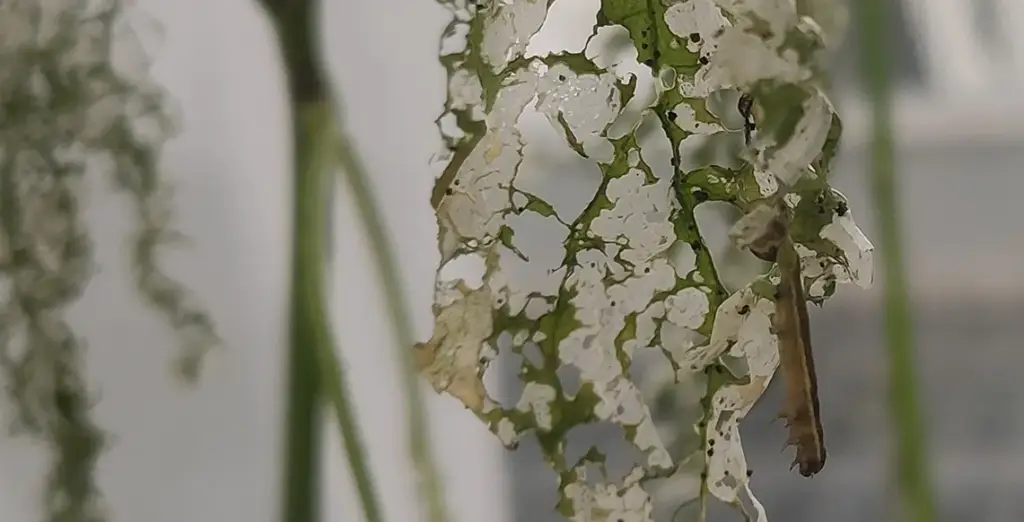
2 Viruses influence on host-parasitoid interactions
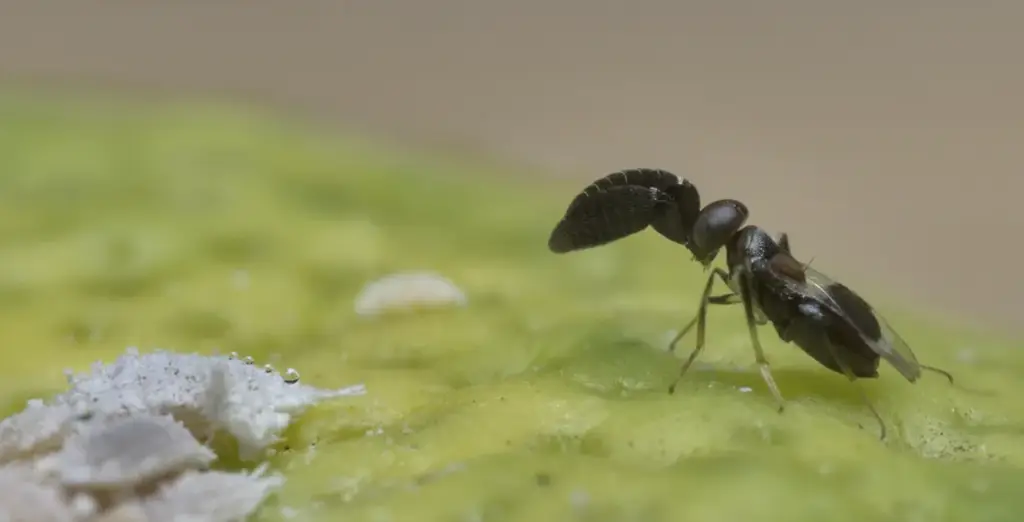
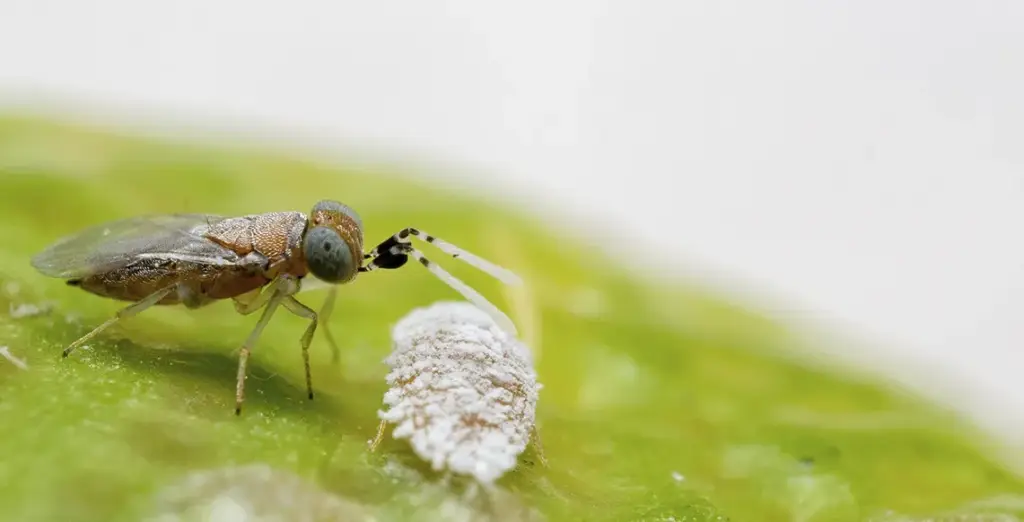
Parasitoid-host interactions are unique in the sense that an insect, referred to as parasitoid, develops on or in the body of another insect while using it as food. This lifestyle makes parasitoids good regulators of insect populations in nature and led to their use as biological control agents of major agriculture pests. To immobilize and evade the immunity of their hosts, parasitoids have evolved virulence factors mainly composed of toxins injected through oviposition as venom. Besides, various parasitoids have developed symbiotic associations with viruses that immunocompromise the host or manipulate its development and behavior. On another hand, viruses that infect parasitoids and their hosts can affect directly or indirectly the parasitism success either positively or negatively. We focus on characterizing if and how viruses affect parasitoid-host interactions and the trophic interactions involving parasitoids and their hosts. This knowledge would culminate in strategies to improve the biological control of pests.
3 Impact of pathogens in mass-reared insects
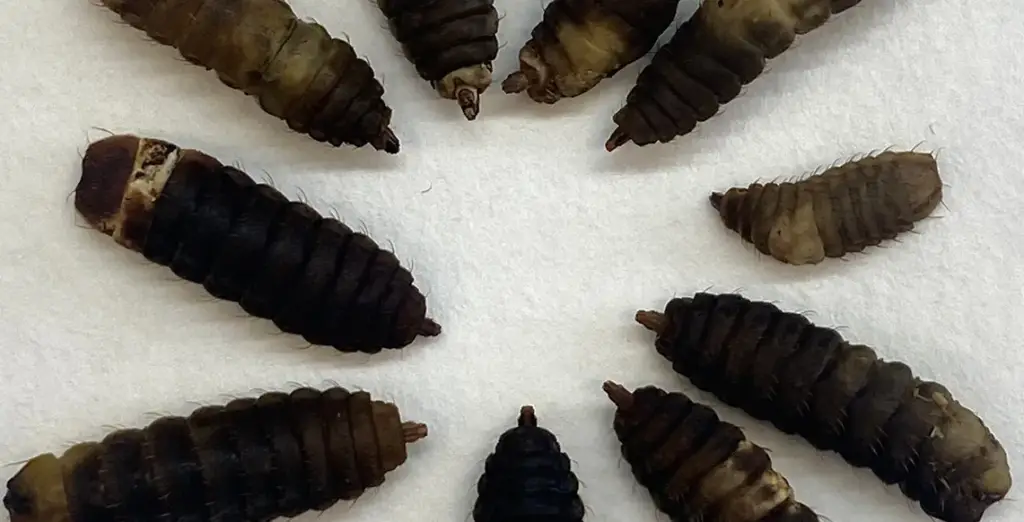
Insect mass-rearing has emerged as a key industry for a sustainable increase in food production, providing solutions in pest control, waste management, and the production of protein-rich feed and food. This new industry relies on the large-scale cultivation of insect colonies, often under intensive conditions that can increase the risk of disease outbreaks. Viral, bacterial, and fungal infections can spread rapidly in high-density rearing facilities, leading to weakened immunity, reduced reproduction, and colony collapse. Our laboratory actively works in identifying pathogenic microorganisms threatening the mass-reared colonies and disentangling the mechanisms that can increase insects resistance to diseases.
4 Virus-fungi interactions influence on insect health
Entomopathogenic fungi (EPF) have evolved as one of the commonest causes of microbial diseases in insects. They specifically infect arthropods and have minimal impact on natural ecosystems making them pivotal elements in biocontrol strategies. The implementation of EPF requires selection of the adequate strain in terms of virulence, resistance to environment and production cost, but often ignore the interaction of the fungus with other pathogens already infecting the target insect populations. Indeed, insect populations are often persistently infected with viruses that do not exhibit clear sign of disease but may influence the insect life cycle in field and the efficiency of the applied mycoinsecticide. In addition, fungal isolates themselves can be infected with viruses that might affect the fungi biology but also the three-way interactions between the fungus, its insect host and insect viruses. These multiple interactions have consequences for biological control, ecological implications and might drive genetic exchange between the tightly interacting entities. We aim to characterize these interactions to assess their outcomes, how they affect biological control strategies and the possible genetic exchange between the interacting entities.
Research projects
Selected publications
Proteomic variation in the oral secretion of Spodoptera exigua and Spodoptera littoralis larvae in response to different food sources
García-Marín E., J. Gamir, and C. M. Crava, 2025. Journal of chemical ecology 51:10.
Constitutive and inducible tomato defenses contribute to Bacillus thuringiensis lethality against Spodoptera exigua
Frattini, A., R. M. González-Martínez, J. M. García, Z. Minchev, M. J. Pozo, V. Flors, C. M. Crava, and S. Herrero., 2024. Biological control 198: 105624.
Compatibility of mycorrhiza-induced resistance with viral and bacterial entomopathogens in the control of Spodoptera exigua in tomato
Frattini, A., M. Martínez -Solís, A. Llopis-Giménez, M. J. Pozo, J. Rivero, C. M. Crava, and S. Herrero. 2022. Pest management science 78: 4388-4396
Baculovirus infection affects caterpillar chemoperception
Llopis-Giménez, A., G. Caballero-Vidal, E. Jacquin-Joly, C. M. Crava, and S. Herrero. 2021. Insect Biochem Mol Biol 138: 103648.
Covert infection with an RNA virus affects medfly fitness and the interaction with its natural parasitoid Aganaspis daci
Hernández-Pelegrín, L., García-Martínez, R., Llácer, E., Nieves, L., Llopis-Giménez, Á., Catalá-Oltra, M., … & Herrero, S., 2024. Journal of Pest Science, 97(1), 269-280.
Horizontally transmitted parasitoid killing factor shapes insect defense to parasitoids.
Gasmi, L., E. Sieminska, S. Okuno, R. Ohta, C. Coutu, M. Vatanparast, S. Harris, D. Baldwin, D. D. Hegedus, D. A. Theilmann, A. Kida, M. Kawabata, S. Sagawa, J. Takatsuka, K. Tateishi, K. Watanabe, M. N. Inoue, Y. Kunimi, Y. Kim, M. A. Erlandson, S. Herrero, and M. Nakai. 2021. Science 373 (6554), 535-541.
High-throughput screening reveals high diversity and widespread distribution of viruses in black soldier flies (Hermetia illucens).
Pienaar, R. D., Herrero, S., de Araujo, A. C., Krupa, F., Abd-Alla, A. M., & Herniou, E. A., 2025. Journal of Invertebrate Pathology, 211, 108322.
Covert RNA viruses in medflies differ in their mode of transmission and tissue tropism.
Hernández-Pelegrín, L., Huditz, H. I., García-Castillo, P., de Ruijter, N. C., van Oers, M. M., Herrero, S., & Ros, V. I., 2024. Journal of Virology, 98(6), e00108-24.
Expanding the medfly virome: viral diversity, prevalence, and sRNA profiling in mass-reared and field-derived medflies.
Hernández-Pelegrín, L., Llopis-Giménez, Á., Crava, C. M., Ortego, F., Hernández-Crespo, P., Ros, V. I., & Herrero, S., 2022. Viruses, 14(3), 623.
