
Sustainable Pest Control: Understanding Resistance and Enhancing Biocontrol Solutions
Arthropod pests continue to challenge global agriculture, causing significant crop losses through direct damage and as vectors of plant diseases. In the absence of effective control, yield reductions can exceed 20%, depending on the pest-crop system.
Integrated Pest Management (IPM) stands as the most sustainable and effective approach to address this threat. By combining biological control, cultural practices, and the strategic use of pesticides, IPM aims to reduce dependency on chemicals while maintaining crop productivity. Aligned with this vision, the European Union’s Directive 2009/128/EC promotes the sustainable use of pesticides and supports alternatives such as non-chemical methods and improved pest management strategies.
Despite the crucial role that chemical pesticides have played in advancing food security, their intensive use has accelerated the evolution of resistance in pest populations. Regulatory restrictions have also reduced the number of approved active substances, underscoring the urgency of preserving the efficacy of the remaining compounds—particularly those that are both effective and environmentally sound.
Our research group addresses these challenges through five complementary research lines:
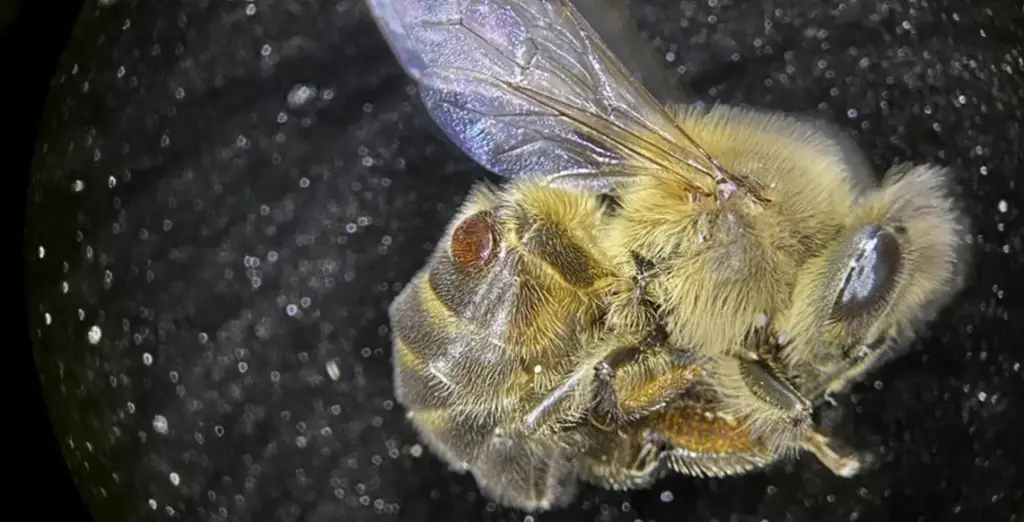
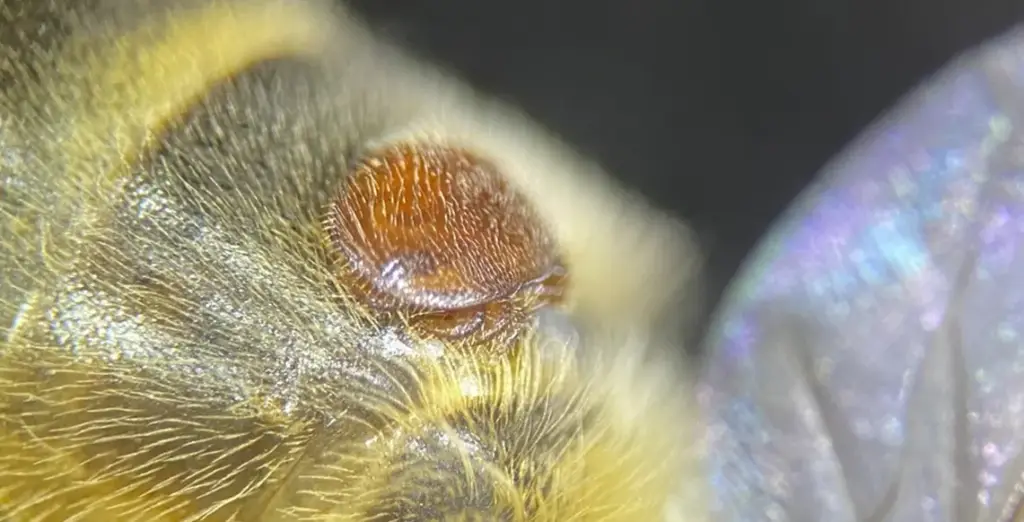
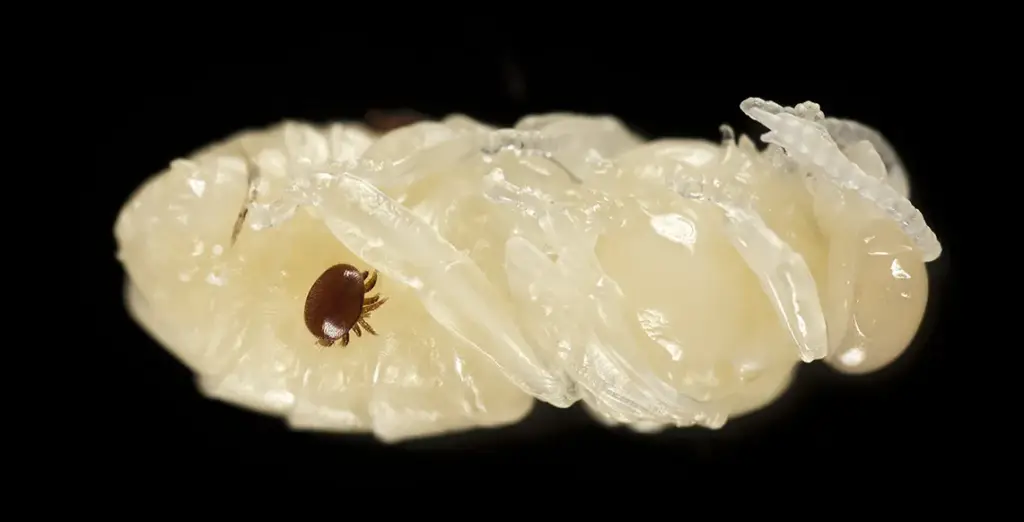
The ectoparasitic mite Varroa destructor is widely recognized as one of the most critical threats to modern apiculture. Its impact is so severe that, without effective treatment, parasitized honey bee colonies are expected to collapse, usually in a few months. Beekeepers largely depend on a limited number of acaricides—mainly pyrethroids (tau-fluvalinate or flumethrin), coumaphos, and amitraz—for mite control. In some cases, the use of unregulated, non-commercial formulations without veterinary oversight further exacerbates the problem.
Resistance to these compounds has already been reported in several regions, yet there is no systematic framework to monitor resistance levels or map their distribution.
Our research focuses on uncovering the molecular and physiological mechanisms underlying acaricide resistance in V. destructor populations. We are also developing high-throughput diagnostic tools to detect resistant mites quickly and reliably. By making these tools and insights accessible to beekeepers and regulatory bodies, we aim to support the implementation of more effective, sustainable mite control strategies.
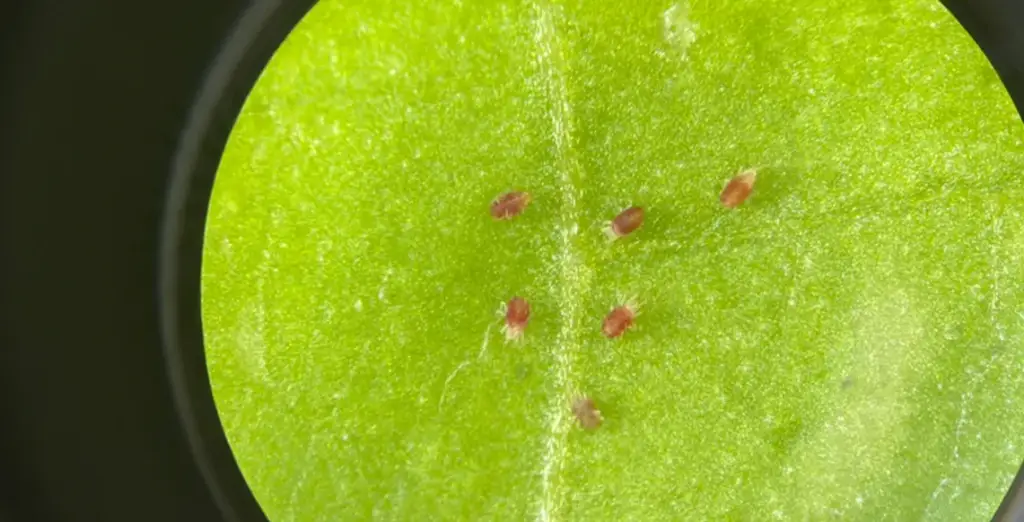
Pesticide resistance presents a significant challenge across crops and pest species, complicating control efforts. When resistance develops, previously effective treatments fail to reduce pest populations, resulting in greater crop losses and increased chemical usage. Monitoring the susceptibility of pest populations to various insecticides is essential, enabling agronomists and farmers to anticipate efficacy, select the most appropriate products, and avoid unnecessary applications that could accelerate resistance development. A complementary strategy involves leveraging resistance traits in natural enemies—beneficial organisms deployed in biological control. Some natural enemies possess intrinsic resistance to certain insecticide classes, while others may acquire tolerance through repeated exposure. This insight supports more effective integration of biological and chemical controls within IPM programs. By understanding how treatments impact both pests and their natural enemies, management can be smarter and more sustainable, safeguarding crops, reducing chemical use, and protecting the environment. Our research aims to identify intrinsic and evolved resistance in key natural enemies and to elucidate the underlying mechanisms with molecular techniques, thereby guiding strategies that exploit compatible selective insecticides and resistant biocontrol agents.
Researchers
3. Ecological and Evolutionary Drivers of Biological Control Efficacy
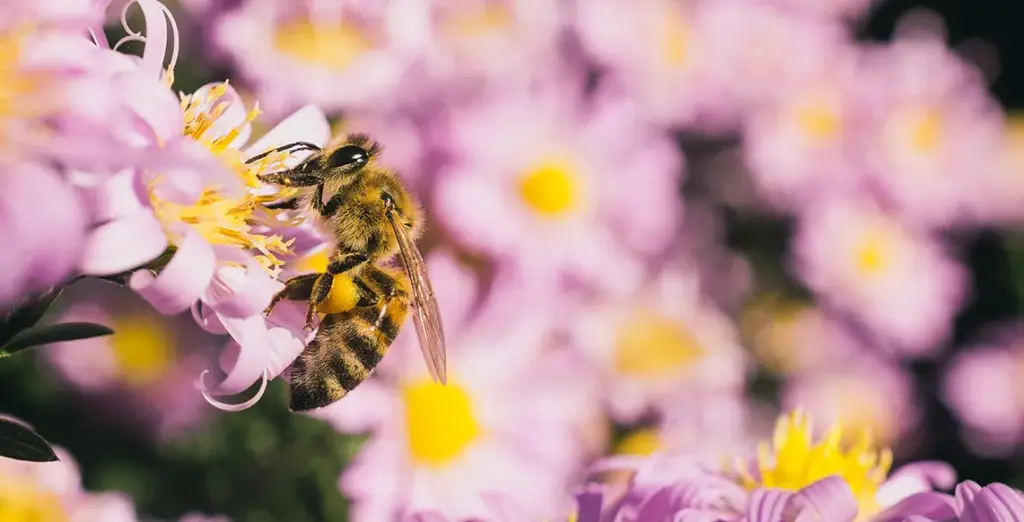
This research line explores how ecological context, insect nutrition, and plant domestication influence the success of biological pest control. A growing body of evidence highlights that landscape complexity and habitat structure—both in natural and managed ecosystems—enhance the survival, persistence, and efficiency of natural enemies, such as predators and parasitoids. Simultaneously, specific plant traits like guttation droplets and floral nectar provide essential nutritional resources that boost the fitness of these beneficial organisms and reduce antagonistic behaviours, such as host feeding.
We also investigate how plant domestication has reshaped interactions between crops, pests, and their natural enemies. Changes in plant volatiles, nutrient profiles, and defensive traits can inadvertently compromise ecological pest regulation.
By integrating insights from landscape ecology, insect physiology, and plant biology, this line of research contributes to the design of sustainable, system-based pest management strategies that strengthen the role of natural enemies within agroecosystems.
Researchers
4. Molecular Interactions: validation of resistance mechanisms to pesticides
Understanding how pesticides interact with their molecular targets is essential for developing selective, effective, and sustainable pest control solutions. Our research focuses on deciphering the mode of action and resistance mechanisms associated with several classes of insecticides and acaricides, including—but not limited to—pyrethroids, formamidines and organophosphates. By investigating how these compounds bind to and affect their target proteins, we aim to uncover the molecular determinants of both efficacy and selectivity.
Using advanced pharmacological assays, including expression of mutated target-site channels in Xenopus laevis oocytes and specialized cell cultures, we are analysing how structural changes in ion channels and other pesticide receptors influence pesticide binding and function. This work helps explain how resistance mutations disrupt insecticide performance in the field.
This integrative approach supports the rational design and stewardship of next-generation pest control compounds that balance potency with environmental and species selectivity.
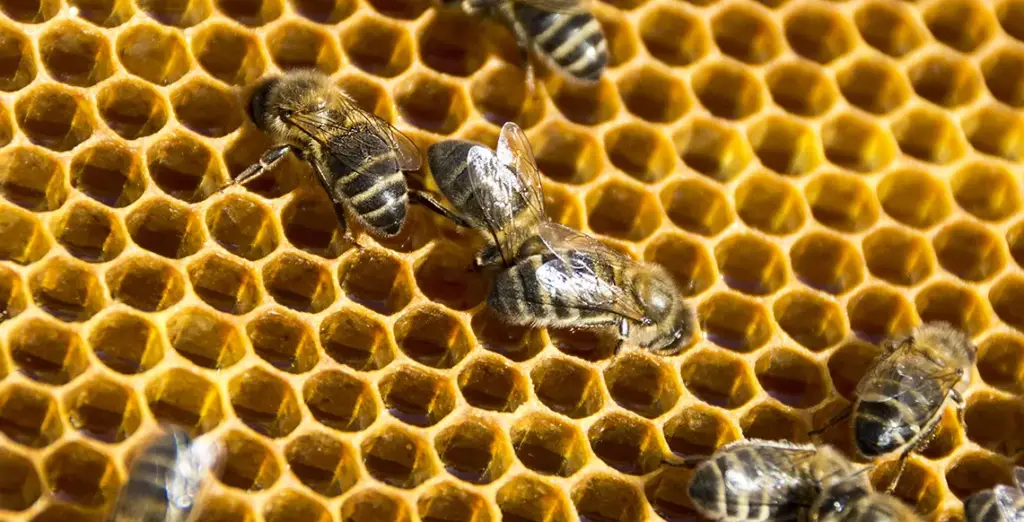
Honey bee health is vital for agriculture and ecosystem stability, yet Spanish beekeeping has faced significant colony losses driven by viral diseases, parasitic mites, pesticides, and environmental stressors. Among the most harmful viruses are DWV, ABPV, and CBPV, all of which weaken colonies and contribute to high overwintering mortality. This research line investigates a promising approach to strengthen bee resilience: the use of beneficial gut bacteria as probiotics. Honey bees possess a specialized intestinal microbiota essential for immunity and overall health, but viral infections can disrupt this community. We aim to identify bacterial species associated with healthier bees and to evaluate their potential as probiotic supplements. We combine metagenomic sequencing, microbial isolation, and laboratory assays to select safe and effective bacterial strains. The most promising candidates will be tested in field trials to assess their capacity to improve survival and reduce viral impact. Our goal is to develop practical probiotic strategies that support beekeepers and enhance colony health.

Research projects
Selected publications
Response of Amblyseius swirskii to deltamethrin
Benavent-Albarracín, L., M. Pérez-Hedo, M. Alonso-Valiente, J. Catalán, A. Urbaneja, and J. González-Cabrera. 2025. Pest management science 81: 2800-2811.
A new mutation in the octopamine receptor associated with amitraz resistance in Varroa destructor
Hernández-Rodríguez, C. S., S. Moreno-Martí, K. Emilova-Kirilova, and J. González-Cabrera. 2025. Pest management science 81: 308-315.
Plant domestication alters the nutritional content of guttation droplets with multi-trophic consequences
Urbaneja-Bernat, P., P. Salazar-Mendoza, A. Tena, J. González-Cabrera, and C. Rodríguez-Saona. 2025. J Chem Ecol 51: 51.
Resistance to amitraz in the parasitic honey bee mite Varroa destructor is associated with mutations in the β-adrenergic-like octopamine receptor
Hernández-Rodríguez, C. S., S. Moreno-Martí, G. Almecija, K. Christmon, J. D. Johnson, M. Ventelon, D. vanEngelsdorp, S. C. Cook, and J. González-Cabrera. 2022. Journal of Pest Science 95: 1179-1195.
Neonicotinoids from coated seeds toxic for honeydew-feeding biological control agents
Calvo-Agudo, M., J. Dregni, J. González-Cabrera, M. Dicke, G. E. Heimpel, and A. Tena. 2021. Environ Pollut 289: 117813.
Large-scale monitoring of resistance to coumaphos, amitraz, and pyrethroids in Varroa destructor
Hernández-Rodríguez, C. S., Ó. Marín, F. Calatayud, M. J. Mahiques, A. Mompó, I. Segura, E. Simó, and J. González-Cabrera. 2021. Insects 12: 27.
https://www.mdpi.com/2075-4450/12/1/27
Mutations associated with pyrethroid resistance in the honey bee parasite Varroa destructor evolved as a series of parallel and sequential events
Millán-Leiva, A., Ó. Marín, P. De la Rúa, I. Muñoz, A. Tsagkarakou, H. Eversol, K. Christmon, D. vanEngelsdorp, and J. González-Cabrera. 2021. Journal of Pest Science 94: 1505-1517.
Tomato trichomes are deadly hurdles limiting the establishment of Amblyseius swirskii Athias-Henriot (Acari: Phytoseiidae)
Paspati, A., J. L. Rambla, M. P. López Gresa, V. Arbona, A. Gómez-Cadenas, A. Granell, J. González-Cabrera, and A. Urbaneja. 2021. Biological Control 157: 104572.
https://www.sciencedirect.com/science/article/pii/S1049964421000426
Plant guttation provides nutrient-rich food for insects
Urbaneja-Bernat, P., A. Tena, J. González-Cabrera, and C. Rodríguez-Saona. 2020. Proc Biol Sci 287: 20201080.
https://www.ncbi.nlm.nih.gov/pubmed/32933440
Neonicotinoids in excretion product of phloem-feeding insects kill beneficial insects
Calvo-Agudo, M., J. González-Cabrera, Y. Pico, P. Calatayud-Vernich, A. Urbaneja, M. Dicke, and A. Tena. 2019. Proc Natl Acad Sci U S A 116: 16817-16822.
